

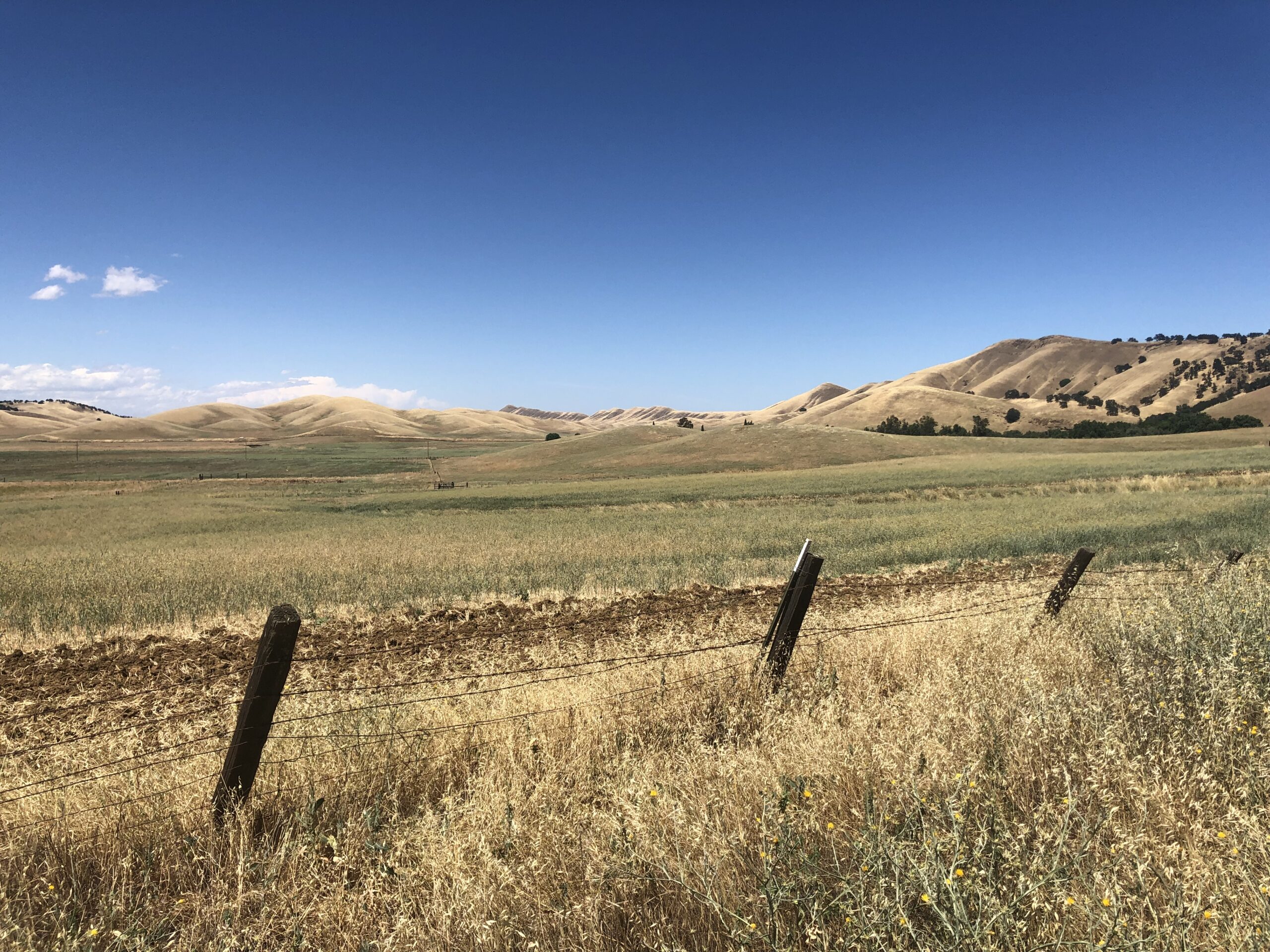
Honoring Tribal Connections to the Land

Tribal engagement is an important part of the Sites Reservoir Project (Project). The Project is located on unceded lands of California Native American Tribes who have lived in this area since time immemorial. These Tribes continue to live and steward these lands, and the Sites Project Authority (Authority) strives to respect and honor the continued relationship and connection the Tribes have to the lands and waters in the Project area. To this end, the Authority seeks to build meaningful partnerships with California Native American Tribes to find ways to avoid, minimize, and mitigate Project impacts to the lands and waters, and ultimately to identify opportunities and develop benefits for the Tribes as related to the Project. The Authority recognizes that California Native Americans have been dispossessed of their ancestral lands and hopes these engagement activities can help the Tribes reconnect to the lands where the Project is located.

The Authority recognizes the Tribes’ unique expertise and experience in understanding and managing the environment and associated resources within the Project area. It is imperative that the Authority works with the Tribes to incorporate this traditional knowledge to make the best decisions possible during Project implementation to meet its goal of providing enhancements to the environment while considering resources of significance to the Tribes.

Tribal engagement and coordination helps the Authority to better understand and productively address the challenges and concerns of Native American Tribes, and the potential benefits, relative to the Project. It provides space for coordination between the Authority and Native American Tribes to share information related to the Project and to increase meaningful communication and collaboration in a manner that is respectful of Tribal values and honors Tribal sovereignty. This engagement also provides an opportunity for government-to-government consultation between the Authority and Tribal leaders.

This page presents a high-level, transparent record of selected coordination activities and ongoing opportunities for engagement with Tribes. To protect sensitive and confidential information shared during Tribal engagement, such information is not included in the overview provided.

A Foundation of Collaboration

The California Department of Water Resources and the Bureau of Reclamation began meeting with interested California Native American Tribes at various intervals beginning in 2002, as the Project concept evolved from the late 1990s as the North-of-Delta Offstream Storage project. Local Authority members participated in those early meetings and when the Authority was formed in 2010, the importance of maintaining these relationships with the Tribes was embraced as work continued to develop the Project as it is envisioned today.

As part of the California Environmental Quality Act analysis, the Authority engaged in formal Tribal consultation pursuant to Sections 21080.3.1, 21080.3.2, 21082.3 of the California Public Resources Code, commonly referred to as Assembly Bill 52 (AB 52). AB 52 consultation was completed with certification of the Environmental Impact Report (EIR) in November 2023.

The Authority is committed to continuing engagement and coordination with Native American Tribes throughout the life of the Project.

Key Engagement Tools

  • Government-to-government consultation
  • Monthly Tribal Government Working Group (TGWG) meetings
  • Regular Project updates email to TGWG
  • Online survey and input form for Tribes to offer comments/concerns related to the Project
  • One-on-one meetings with individual Tribes
  • On-site visits and listening sessions
  • Tribal monitoring and reimbursement agreements
  • Confidentiality agreements
  • Virtual TGWG Document Library
  • Virtual Field Activities Calendar
  • Tribal engagement principles (pending)
  • Tribal communication plan (pending)

Select Engagement Activities

2026

Ongoing Monthly Tribal Government Working Group (TGWG) meetings – Since December 2024, monthly TGWG meetings have been held to discuss topics of interest and concern to the participating Tribes as related to the Project, such as resource impact assessment, impact avoidance opportunities, the Project purpose and need, and cemetery planning. These meetings have also been a venue for the Authority to relay important Project information, such as details regarding design progression, schedule updates, permitting updates, proposed work packages, and other Project milestones.

Local Community Working Group meetings – Quarterly meetings that provide an opportunity for local community leaders to play an active role in the planning and development of the Sites Reservoir Project in a way that meets the needs of both the Authority and the community. Tribes have been offered the opportunity to attend these meetings.

Monthly one-on-one meetings with individual Tribes

Field survey participation – Tribes have been invited to participate in cultural resources and biological resources field surveys. The Authority has offered to compensate Tribes for their field survey efforts.

Ongoing coordination – Includes calls, emails, document review, cultural studies coordination, and Tribal monitoring planning.

2025

Ongoing Monthly TGWG meetings – Since December 2024, monthly TGWG meetings have been held, as described above.

Local Community Working Group meetings – Quarterly meetings that the Tribes have had the opportunity to attend, as described above.

Monthly one-on-one meetings with individual Tribes

October Listening Session – TGWG hosted a listening session to hear Tribal perspectives.

September On-site Visit – TGWG participated in an on-site visit to the Project area.

Cultural resources survey participation – Tribal monitors participated in cultural resource survey efforts with the Authority compensating Tribes for their efforts.

Ongoing coordination – Includes calls, emails, document review, cultural studies coordination, and Tribal monitoring planning.

2024

Monthly TGWG meetings – December 18, 2024: The Authority held the initial TGWG meeting as described above.

Monthly one-on-one meetings with individual Tribes

Geotech investigations – Tribes were notified of investigations and Tribal representatives monitored activities with the Authority compensating Tribes for their efforts.

Ongoing coordination – Includes calls, emails, document review, cultural studies coordination, and Tribal monitoring planning.

2023

EIR Certification – AB 52 consultation completed.

AB 52 Consultation conducted through various letters, meetings, site visits, and emails.

Geotech investigations Tribes were notified of investigations, and Tribal representatives monitored activities, with the Authority compensating Tribes for their efforts.

Ongoing coordination Includes calls, emails, document review, cultural studies coordination, and Tribal monitoring planning.

2022

AB 52 – Consultation conducted through various letters, meetings, site visits, and emails.

Geotech investigations – Tribes were notified of investigations and Tribal representatives monitored activities with the Authority compensating Tribes for their efforts.

Ongoing coordination – Includes calls, emails, document review, cultural studies coordination, and Tribal monitoring planning.

2018 to 2021

AB 52 – Consultation conducted through various letters, meetings, site visits, and emails.

2021 Additional outreach – the Authority reached out to Tribes traditionally or culturally affiliated with locations where Project operations have the potential to change river flows as compared to current conditions.

2020-2019 Geotech investigations – Tribes were notified of investigations and Tribal representatives monitored activities with the Authority compensating Tribes for their efforts.

Ongoing coordination – Includes calls, emails, document review, cultural studies coordination, and Tribal monitoring planning.

2017

AB 52 – Consultation initiated.

Pre-2017

Informal Tribal engagement occurred as the Authority formed and organized.